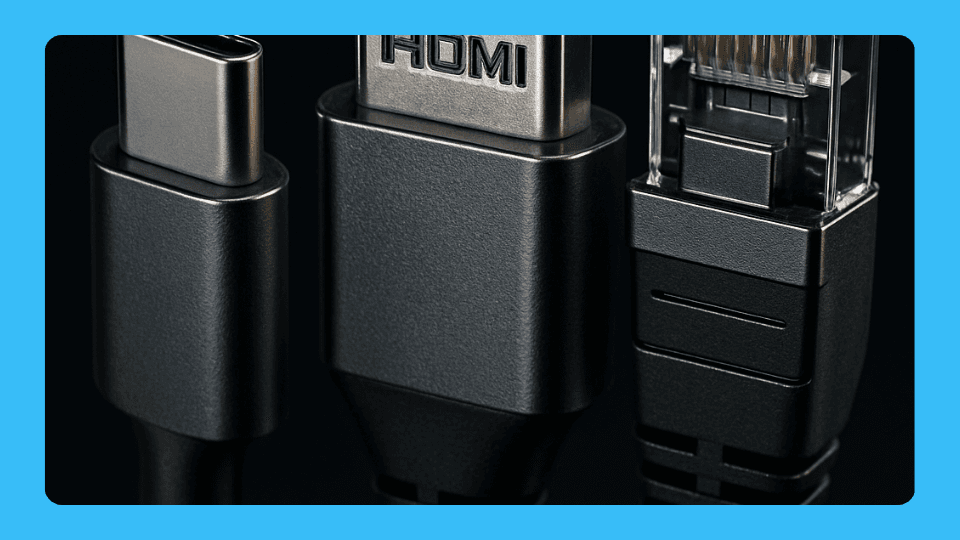
If your General device suddenly stopped sending sound over eARC or ARC from built-in TV apps, you're not alone — this happens more often than you'd think. HDMI-CEC, eARC, and app updates all interact in strange ways, so a small change in one place can mute the whole setup. This guide walks you through a clean, methodical reset to get reliable sound again without guessing.
Quick answer
- Power off TV and General device completely, unplug both for 30-60 seconds
- Disconnect and reconnect HDMI cable between TV eARC/ARC port and General device
- Power on TV first, then General device
- Toggle HDMI-CEC/ARC off and on in both device menus
- Test with multiple apps to confirm sound works consistently
Symptoms
- General device shows "TV Audio" but produces no sound or intermittent audio
- Sound worked fine before, suddenly stopped with built-in TV apps
- External devices (streaming sticks, game consoles) still produce sound through eARC
- General device display doesn't show audio format indicators (Dolby Digital, PCM, etc.)
- Sound cuts out randomly during streaming from TV apps
Quick checks
- Confirm the HDMI connection — Make sure the HDMI cable from the TV is plugged into the ARC or eARC-labeled HDMI input on your General device. On many sets it's only one specific port.
- Use a certified high-speed cable — Old or damaged HDMI cables are a very common cause of eARC drop-outs. Swap in a known-good, certified cable if you have one.
- Set TV audio to eARC/ARC — In the TV sound settings, select the option that sends audio to an external receiver or soundbar rather than the TV speakers.
- Turn the volume up on the General device — It sounds obvious, but if the receiver was muted or set to a different input, you won't hear anything from TV apps.
Step-by-step fix
-
Power everything off fully — Turn off the TV and the General device, then unplug them from power for 30-60 seconds. This clears the HDMI control state.
-
Unplug the HDMI cable during the power off — Disconnect the cable between the TV eARC/ARC port and the General device. Waiting a few seconds helps the devices forget the old link.
-
Plug the HDMI cable back in firmly — Re-connect the cable to the eARC/ARC port on the TV and the ARC-enabled input on the General device. Avoid adapters or wall plates for this test.
-
Power on the TV first, then the General device — Let the TV boot to the home screen before turning on the receiver. Many HDMI-CEC systems are picky about power-on order.
-
Open a simple TV app and test — Launch a built-in app like Netflix or YouTube and play a video. Give it a few seconds to negotiate audio. Watch the front panel of the General device for Dolby Digital, Dolby Atmos, or PCM indicators.
-
Toggle HDMI-CEC/ARC off and on — In both the TV and General device menus, temporarily disable HDMI-CEC and ARC/eARC, then turn them back on. This often forces a fresh handshake.
-
Check audio format settings — Some General models are picky about multichannel PCM or Dolby Atmos. If you get silence, try forcing the TV to output Dolby Digital or "Auto" instead of PCM only.
-
Test with multiple apps — Try at least two or three streaming apps. If only one app has no sound, open its internal audio or playback settings and confirm surround sound is enabled.
-
Disable Bluetooth audio temporarily — If the TV is paired with Bluetooth headphones or a speaker, it may route sound there instead of to eARC.
Expert tip: For stubborn eARC issues, temporarily disconnect all other HDMI devices from the TV and General device, then repeat the power-cycle and eARC setup. This strips the system down to one TV and one General device, making it easier to see whether a game console or streaming box was confusing HDMI-CEC.
Scenario example: You open Netflix on your TV and the General device shows "TV Audio" on the display, but you only get intermittent sound or nothing at all. After unplugging the TV and General device, reconnecting the HDMI cable to the proper eARC port, and turning HDMI-CEC off and back on, the receiver suddenly locks onto "Dolby Digital+" and sound works reliably across all apps.
If it still isn't working
Identify the problem source:
- TV issue — If eARC works from external devices (like a streaming stick) but not from built-in apps, the TV firmware or app audio settings may be at fault. Check for TV software updates.
- General device issue — If the General device never shows an ARC/eARC input or keeps dropping back to TV speakers, look for a firmware update and a setting that explicitly enables ARC on that HDMI input.
- Cable issue — If sound cuts in and out, or only works after you wiggle the cable, replace the HDMI cable with a certified Ultra High Speed cable.
If you've walked through the reset process, tried more than one app, and swapped the HDMI cable yet eARC or ARC still refuses to cooperate, document the exact behavior: which TV model you have, which HDMI port is in use, what the General device display shows, and which apps fail. Support teams for General and your TV manufacturer can do much more with that detail than with "no sound from apps," and it drastically shortens the back-and-forth. In stubborn cases, a professional installer or a warranty evaluation may be worth considering, especially if you also see HDMI issues with other sources.
FAQ
Why does eARC work with external devices but not TV apps? Built-in TV apps use different audio processing than external HDMI sources. TV firmware or app-specific audio settings may be routing sound incorrectly, while external devices bypass this processing entirely.
Do I need to use a specific HDMI port on my TV? Yes, eARC/ARC only works through designated ports — usually HDMI 1 or the port labeled "ARC/eARC." Using other ports won't send TV app audio to your General device.
Why does the sound work sometimes but cut out randomly? This usually indicates a handshake problem between devices or a marginal HDMI cable. The power-cycle process and a certified Ultra High Speed HDMI cable typically resolve intermittent dropouts.
Should I turn off HDMI-CEC completely if I have problems? No, HDMI-CEC is required for eARC/ARC to function. Instead, try toggling it off and back on to reset the connection, or temporarily disable it on other connected devices that might be interfering.
Related fixes: For brand-specific tips, see our Samsung soundbar guide and LG soundbar guide. For receiver setups, check our Denon receiver eARC troubleshooting guide.